



Meta Description: Compare lab grown engagement rings by diamond cut, grading, setting and metal. Practical UK buying advice for lasting comfort and everyday wear.
A diamond can look impressive in a photograph yet appear quite different once it is set in a ring. Stone proportions, mounting height, metal thickness and even the position of the claws influence how an engagement ring looks and feels on the hand.
For anyone considering lab grown engagement rings, the useful question is not simply how large a diamond the budget allows. It is how the stone, setting and band work together.
Laboratory-grown diamonds offer the same essential chemical composition, crystal structure and optical properties as natural diamonds. They are produced through controlled processes rather than geological formation. This makes them a genuine diamond option, although their origin and market value differ from those of mined stones. A good purchase begins by examining the details that photographs and headline carat weights can easily hide.
Cut Quality Matters More Than a Small Increase in Carat Weight
Two diamonds’ Start Ring with identical carat weights can look noticeably different. Their measurements, proportions and facet arrangements affect how much light returns to the viewer.
A well-cut stone may appear lively and bright, while a heavier diamond with less effective proportions can look comparatively dull.
Round brilliant diamonds are easier to compare through established cut grades. Fancy shapes, including oval, pear and emerald cuts, require closer visual inspection.
For example, oval diamonds can display a dark pattern across their centre called the bow-tie effect. A slight shadow is normal, but a strong, persistent dark area may reduce their visual appeal.
Before choosing a stone, examine:
- Face-up measurements in millimetres, alongside carat weight.
- Sparkle and contrast in videos taken under different lighting.
- Symmetry and outline, particularly in elongated shapes.
- Visible inclusions rather than clarity grades alone.
A slightly smaller diamond with attractive proportions may be a better purchase than a larger stone selected mainly for its weight.
Read the Grading Report Before Comparing Prices
Independent diamond grading gives buyers a clearer basis for comparing stones.
Reports from the International Gemological Institute (IGI), for example, can document a laboratory-grown diamond’s colour, clarity, measurements, cut characteristics and origin.
However, grading systems are not identical across laboratories. Since October 2025, the Gemological Institute of America (GIA) has used Premium and Standard quality classifications for qualifying laboratory-grown diamonds rather than its previous colour and clarity grading format. Buyers should understand which system their report uses.
Lab-created diamonds can be produced through High Pressure High Temperature (HPHT) or Chemical Vapour Deposition (CVD). Neither production method guarantees that every finished stone will have exceptional visual quality.
When reviewing man made diamonds through a retailer such as NOVITA Diamonds, compare individual grading reports, measurements and available stone videos rather than relying solely on catalogue photographs.
A grading report also serves a different purpose from an insurance valuation. It documents gemological characteristics but does not establish a diamond’s future resale price.
The Setting Should Suit the Person Wearing It
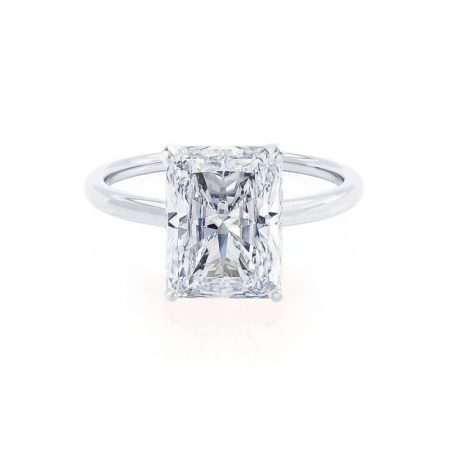
An engagement ring’s setting deserves as much attention as its centre diamond. A classic solitaire with four claws leaves much of the stone visible. Six-claw settings provide additional points of contact, although the appearance can feel busier on smaller diamonds.
A bezel setting surrounds the diamond’s edge with metal. It creates a smooth outline and offers practical protection, particularly for someone who frequently handles clothing, equipment or other objects.
Setting height deserves attention as well.
A raised diamond can appear prominent, but it may catch on sleeves or gloves. Lower settings generally offer a more streamlined profile, although they can complicate wedding-band pairing.
Pavé bands introduce another consideration. Their small accent diamonds create extra sparkle, but damaged claws or lost stones may require specialist repairs.
Band thickness also matters. Extremely delicate designs can be attractive, yet a narrow shank may be less resistant to bending during regular wear.
Metal Selection Changes Maintenance and Appearance
The metal surrounding a diamond influences its colour contrast, weight and long-term appearance.
Platinum has a naturally white appearance and develops a surface patina through wear. White gold provides a similar bright look, although rhodium-plated designs may need replating as the finish wears away.
Yellow gold creates a warmer contrast, especially around colourless stones. Rose gold introduces a softer pink tone through its alloy composition.
For UK buyers, hallmarking provides an additional safeguard. Gold jewellery weighing at least one gram and platinum jewellery weighing at least 0.5 grams generally require a legally recognised hallmark when sold as those precious metals, subject to applicable exemptions. Check both the metal specification and the finished ring’s weight before ordering.
Think About the Wedding Band Before Finalising the Ring
An engagement ring that looks balanced on its own may sit awkwardly beside a straight wedding band.
Some low-set designs leave insufficient space beneath the centre stone for another ring to sit flush. This can create a visible gap between the two bands.
A curved wedding band may solve the problem, although its shape can limit future pairing options.
Hidden halos and elaborate gallery details can also affect how two rings fit together. If wearing the rings as a matching set matters, request a side-view photograph or drawing showing both pieces together. Checking the combined profile before production can prevent an expensive design change later.
Questions Worth Settling Before Ordering
Online shopping provides access to numerous lab grown engagement rings, but a product listing rarely answers every practical question.
Before placing an order, clarify the following details with the jeweller:
- Diamond identification: Can the grading report number be independently verified, and does it match the selected stone?
- Finished specifications: What are the ring’s band width, setting height, metal purity and final ring size?
- Production and delivery: Is the ring ready to dispatch, or will it be made after ordering? Does the total price include UK VAT and delivery?
- Resizing and returns: What happens if the ring does not fit? Custom-made or clearly personalised goods may fall outside standard online cancellation rights, so written terms matter.
gov.uk - Aftercare: Are claw inspections, cleaning, polishing or repairs available, and which services carry additional charges?
Engagement rings are exposed to daily contact, occasional knocks and gradual wear. Even a hard diamond needs a secure setting, and its metalwork benefits from periodic inspection.
Before approving a custom design, ask for the exact proportions of the finished ring, confirm the selected diamond’s report and check its compatibility with the intended wedding band. These details are far easier to adjust before manufacturing than after the ring has been completed.