




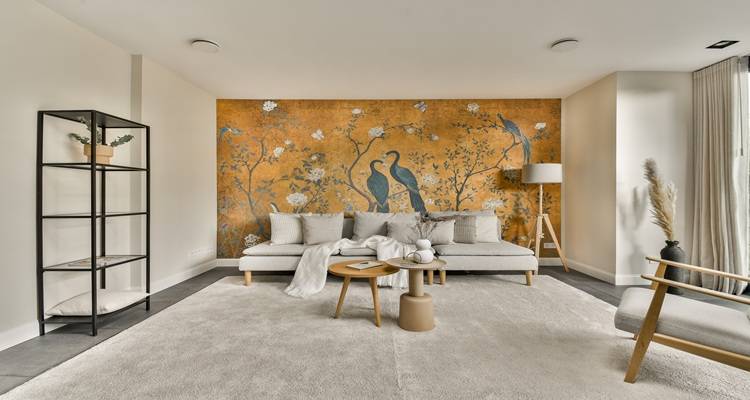
Wallpaper and feature walls can completely change the character of a room. From traditional patterns in Victorian properties to modern geometric designs in contemporary flats, the right wall treatment can introduce colour, texture, depth, and personality without requiring a complete renovation.
For homeowners considering a decorative update, working with Painters and decorators in London can help ensure that the chosen wallpaper or feature finish is installed neatly and prepared correctly for a long-lasting result.
Why Choose Wallpaper for a London Home?
Wallpaper offers design possibilities that are difficult to achieve with ordinary paint. It can introduce detailed patterns, subtle textures, botanical designs, metallic effects, murals, or traditional motifs.
It is particularly useful when homeowners want to create a strong visual identity in bedrooms, living rooms, dining areas, hallways, or home offices. A carefully selected design can make a room feel warmer, more sophisticated, or more visually interesting.
Wallpaper can also complement architectural details commonly found in London homes, including fireplaces, coving, timber features, alcoves, and high ceilings.
What Is a Feature Wall?
A feature wall is a single wall designed to attract attention through a different colour, wallpaper pattern, texture, or decorative treatment. Instead of decorating every wall in the same way, one carefully selected surface becomes the main visual focus.
A feature wall can be particularly effective behind a bed, sofa, dining table, television, fireplace, or desk. The aim is not simply to make one wall different, but to create a focal point that works naturally with the rest of the room.
Choosing the Right Wall for Wallpaper
The location of a feature wall can have a major effect on the overall appearance of the room. A wall that naturally attracts attention is often a good candidate.
For example, a bedroom feature wall may work well behind the headboard, while a living-room design could be positioned behind the main seating area. In a room with a fireplace, the chimney breast or surrounding wall may provide a natural focal point.
Natural light should also be considered. Strong daylight can make certain colours appear different throughout the day, while darker rooms may benefit from lighter patterns or reflective finishes.
Wall Preparation Comes First
One of the most important parts of wallpapering is preparation. Wallpaper does not automatically hide imperfections. Uneven surfaces, cracks, loose paint, old adhesive, or damaged plaster can become visible beneath the finished covering. Professional guidance also emphasises that wallpaper should be applied to a clean, dry, sound, and appropriately prepared surface.
Preparation may involve removing old wallpaper, cleaning the surface, filling holes and cracks, sanding imperfections, repairing damaged areas, and applying an appropriate primer or size.
In older London properties, preparation can require additional care because walls may have several previous layers of paint or wallpaper and may not be perfectly straight.
Removing Old Wallpaper Carefully
When an existing wall covering is present, it should be assessed before new wallpaper is installed. Loose or damaged paper and remaining adhesive can interfere with the new covering.
Old wallpaper may need to be removed and the wall cleaned before repairs and priming take place. Simply covering an unsuitable surface can lead to problems such as poor adhesion, visible seams, bubbling, or lifting edges.
Whether wallpaper can be applied over an existing covering depends on the condition and type of the existing material, so the surface should be assessed rather than assuming that every wall can be covered directly.
Measuring and Planning the Pattern
Wallpaper requires more planning than simply measuring the width and height of a wall. Pattern repeats, matching requirements, doors, windows, sockets, alcoves, fireplaces, and other obstacles all need to be considered.
It is also sensible to check that wallpaper rolls come from the same batch because colour variations can occur between batches.
Experienced decorators normally establish a straight vertical reference line before hanging the first section. This helps prevent the pattern from gradually drifting across the wall, particularly when the corners of an older property are not perfectly square.
Matching Wallpaper Patterns
Pattern matching can make a significant difference to the finished appearance. Some wallpapers have simple repeats, while others require more careful matching between each length.
Large floral patterns, geometric designs, murals, and highly detailed prints can require additional planning and material because portions of the design may need to be aligned precisely.
A small mistake at the beginning can become increasingly noticeable as additional strips are installed, which is why accurate setting out is so important.
Creating a Feature Wall With Colour
Wallpaper is not the only option for creating a feature wall. Paint can also be used to introduce contrast.
A deep green, navy, warm neutral, terracotta, or other carefully selected shade can create a focal point without adding a pattern. The remaining walls can then use complementary colours to create balance.
For a more dramatic appearance, wallpaper and paint can be combined. For example, patterned wallpaper can be used on one wall while neighbouring surfaces are painted in a colour taken from the wallpaper design.
Wallpaper and London’s Period Properties
London contains many properties with distinctive architectural character. Victorian, Edwardian, Georgian, and other period homes may feature fireplaces, ceiling roses, cornices, picture rails, timber flooring, panelled doors, or unusual room proportions.
Wallpaper can enhance these characteristics when the pattern is selected carefully. Traditional botanical prints, heritage-inspired patterns, subtle textures, and understated geometric designs can work particularly well with period details.
At the same time, modern wallpaper can create an interesting contrast in an older property, allowing traditional architecture and contemporary interior design to work together.
Feature Walls in Small Rooms
A feature wall does not have to make a small room feel smaller. The result depends on the colour, pattern scale, lighting, and placement.
A carefully selected design can give a compact room greater visual depth. Vertical patterns may emphasise height, while lighter colours can help maintain an open feeling.
However, extremely busy patterns may dominate a small space. Samples are useful because wallpaper can look very different across an entire wall compared with a small catalogue image.
Wallpapering Bedrooms
Bedrooms are among the most popular spaces for feature walls. A patterned wall behind the bed can create a natural focal point without requiring extensive decoration throughout the room.
Soft botanical patterns, muted colours, textured wallpapers, and subtle geometric designs can provide visual interest while maintaining a comfortable atmosphere.
The design should also work with existing furniture, curtains, flooring, lighting, and bedding rather than being selected in isolation.
Wallpapering Living Rooms
Living rooms provide more flexibility because they often contain several decorative elements. A feature wall can help establish the main visual focus and bring different furnishings together.
A fireplace wall, television wall, or wall behind the main sofa can provide a logical location. Large-scale patterns can create a dramatic effect, while textured or understated wallpapers can add sophistication without overwhelming the room.
Getting Professional Help With Wallpapering
Wallpapering may appear straightforward, but achieving clean joins and accurate pattern alignment requires patience and precision. Corners, windows, doors, sockets, fireplaces, and uneven walls can make the installation considerably more complicated.
Professional Painters and decorators in London can assess the wall, identify preparation requirements, plan the layout, and install the wallpaper according to the manufacturer’s recommendations.
This can be especially valuable for expensive wallpaper, large repeating patterns, murals, or rooms with complicated architectural features.
Common Wallpapering Mistakes to Avoid
Several mistakes can affect the final result:
- Skipping proper wall preparation
- Failing to remove loose old wallpaper
- Ignoring cracks or damaged plaster
- Starting without establishing a straight reference line
- Mixing wallpaper from different batches
- Underestimating pattern repeat and wastage
- Using unsuitable adhesive
- Rushing the drying process
- Choosing a pattern without considering room lighting
- Failing to check the manufacturer’s installation instructions
Proper preparation and following the wallpaper manufacturer’s requirements are important for achieving an even, durable finish.
How to Make a Feature Wall Work With the Rest of the Room
A successful feature wall should feel connected to the rest of the interior. One simple approach is to select a colour from the wallpaper and repeat it elsewhere through cushions, curtains, artwork, rugs, or accessories.
Furniture placement matters too. The feature wall should remain visible rather than being hidden behind large pieces of furniture.
Lighting should also be considered. Natural and artificial light can alter the appearance of colours and patterns, so samples should ideally be viewed at different times of day.
Final Thoughts
Wallpaper and feature walls offer London homeowners an effective way to transform an interior without completely redesigning the property. From a subtle textured finish to a dramatic patterned statement wall, there are options to suit traditional and contemporary homes alike.
The quality of the final result depends heavily on preparation, accurate measuring, careful pattern matching, suitable materials, and precise installation. By planning the design carefully and using experienced Painters and decorators in London, homeowners can create feature walls that complement their property’s architecture and provide a polished decorative finish.