




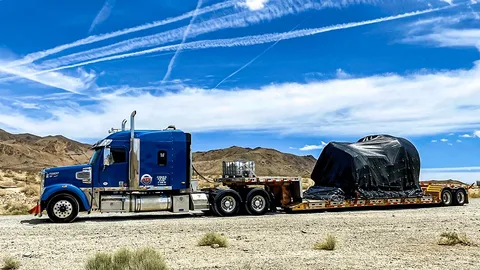
Australia’s economy depends heavily on the trucking industry. From delivering groceries to regional communities to transporting construction materials across vast distances, trucks keep supply chains moving every day.
As demand for freight continues to increase, businesses face growing pressure to improve efficiency without compromising safety.
According to the Australian Bureau of Infrastructure and Transport Research Economics (BITRE), Australia’s domestic freight task is estimated to reach 786 billion tonne-kilometres in 2024–25, highlighting the continued growth of freight movement across the country.
More information is available from the BITRE Freight Statistics. (Bureau of Transport Research)
While technology and logistics continue to evolve, one factor remains constant—safe trucking practices are essential for protecting drivers, other road users, and valuable cargo.
Why Trucking Safety Matters More Than Ever
Australia has one of the world’s largest road freight networks. Long distances, changing weather conditions, regional roads and increasing traffic all contribute to the complexity of heavy vehicle operations.
Road freight also continues to dominate the transport sector. According to Infrastructure Australia, road transport accounts for around 80% of Australia’s non-bulk freight movement, demonstrating just how critical trucking is to national supply chains. Learn more from Infrastructure Australia’s Road Freight Overview. (Infrastructure Australia)
As freight volumes grow, so does the responsibility of transport companies to prioritise safety at every stage of the journey.
Common Risks Facing Truck Drivers
Heavy vehicle operators encounter numerous hazards every day. Some of the most common include:
- Driver fatigue during long-haul trips
- Poor visibility in adverse weather
- Tight delivery schedules
- Congested urban roads
- Blind spots around large vehicles
- Loading and unloading hazards
- Vehicle maintenance issues
Managing these risks requires more than simply following road rules. It involves comprehensive driver training, proactive fleet maintenance and adopting safe operational procedures across the business.
The Importance of Driver Training
Even experienced truck drivers benefit from ongoing education.
Regular training helps reinforce safe driving habits while keeping drivers informed about updated regulations, new technologies and emerging risks.
Training programs often cover:
- Defensive driving techniques
- Fatigue management
- Hazard awareness
- Load restraint procedures
- Emergency response
- Vehicle inspections
- Safe manoeuvring in confined spaces
Investing in driver development not only reduces accident risks but also improves operational efficiency and lowers insurance costs.
Safe Manoeuvring Prevents Costly Incidents
One of the highest-risk activities for heavy vehicles is manoeuvring in confined areas such as warehouses, loading docks, customer sites and distribution centres.
Many workplace incidents occur at relatively low speeds when drivers have limited visibility behind the vehicle.
Understanding best practices for truck reversing can significantly reduce the likelihood of collisions with pedestrians, equipment, buildings or other vehicles. Proper planning, effective communication and the use of spotters where appropriate all contribute to safer operations.
Small improvements during reversing procedures can prevent expensive repairs, minimise downtime and, most importantly, help protect lives.
Technology Is Supporting Safer Trucking
Modern heavy vehicles increasingly incorporate technology that assists drivers without replacing their judgement.
Popular safety features now include:
- Reverse cameras
- Blind-spot monitoring
- Lane departure warnings
- Electronic stability control
- Collision mitigation systems
- Telematics and driver behaviour monitoring
- Adaptive cruise control
These systems provide additional layers of protection, particularly during long-distance operations and in busy metropolitan environments.
However, technology should always complement—not replace—safe driving practices and ongoing driver awareness.
Building a Strong Safety Culture
Safety is not solely the responsibility of drivers.
Successful transport businesses foster a workplace culture where everyone contributes to reducing risks.
A positive safety culture includes:
- Clear reporting procedures
- Regular vehicle inspections
- Scheduled preventative maintenance
- Open communication between drivers and management
- Continuous improvement through incident reviews
- Recognition of safe driving performance
When safety becomes part of everyday operations, businesses often experience fewer incidents, improved staff retention and greater customer confidence.
Compliance Protects Businesses
Heavy vehicle operators must comply with Australia’s transport regulations, including Chain of Responsibility (CoR) obligations.
Compliance extends beyond the driver and includes everyone involved in the transport task, including:
- Employers
- Schedulers
- Consignors
- Loaders
- Receivers
- Fleet managers
Meeting legal obligations helps reduce business risk while supporting safer outcomes across the entire supply chain.
Regular audits, documented procedures and ongoing staff training all contribute to maintaining compliance.
Preparing for the Future of Trucking
Australia’s freight demand is expected to continue growing over the coming decades. Population growth, expanding e-commerce and increasing infrastructure projects will place additional demands on transport operators.
Businesses that invest in safety today are better positioned to meet future challenges.
This includes embracing new vehicle technologies, maintaining high driver training standards and continually reviewing operational procedures to identify opportunities for improvement.
Safety should never be viewed as a cost. Instead, it is an investment that protects people, improves operational reliability and strengthens long-term business performance.
Conclusion
The trucking industry plays a vital role in Australia’s economy, connecting businesses, communities and industries across vast distances. As freight volumes continue to rise, maintaining strong safety standards has never been more important.
By investing in driver training, embracing modern safety technologies, promoting a positive workplace culture and following best-practice procedures, transport businesses can reduce risks while improving efficiency and reliability.
Ultimately, safer trucking benefits everyone—from drivers and employers to customers and the wider community. A commitment to continuous improvement ensures Australia’s freight industry remains productive, resilient and prepared for the future.